
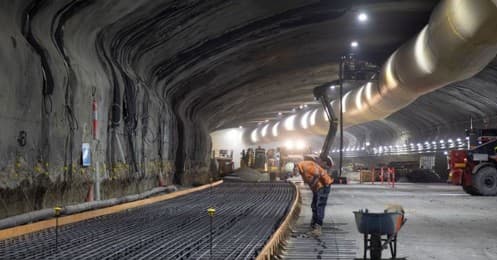
Australia's Construction Workforce Crisis: The Current Reality
Australia's construction industry is experiencing unprecedented workforce challenges. Across major cities and regions, builders, contractors, and project managers are struggling to find sufficient skilled workers to meet project demands. Project schedules are slipping, costs are climbing, and many in the industry are asking: how did we get here, and what can we do about it?
The construction sector is vital to Australia's economy and growth. From residential housing to major infrastructure projects, hospitals to schools, construction underpins development and prosperity. Yet the industry faces a paradox: while demand for construction remains strong, the workforce to deliver it is insufficient. Understanding this shortage — its causes, impacts, and solutions — is essential for anyone in the building industry.
The Scope of the Problem
The construction worker shortage in Australia is significant and measurable. Industry surveys and labour market data consistently show unfilled vacancies across multiple trade categories. Construction companies report struggling to recruit carpenters, electricians, plumbers, welders, and general construction workers. Some regions face more acute shortages than others — major growth areas like Melbourne, Sydney, and Brisbane compete fiercely for available workers.
The shortage isn't limited to any single state or region. While major metropolitan areas experience severe competition for workers, regional Australia also struggles to attract and retain construction workers. This affects major infrastructure projects, residential development, industrial construction, and smaller renovation and maintenance work.
What makes this particularly acute is that shortages exist even in skilled trades where workers are well-paid. Despite competitive wages, many skilled positions remain unfilled. This indicates the shortage reflects structural issues in workforce supply, not just market price dynamics.
Key Causes of Construction Worker Shortages
1. Australia's Major Infrastructure Pipeline
Australia is experiencing unprecedented infrastructure investment. The National Broadband Network rollout, major transport projects (metro rail in Melbourne and Sydney, light rail networks), water infrastructure, energy transition investments, and port expansion projects are simultaneously competing for construction workers. These mega-projects employ tens of thousands of workers and set wages at competitive rates. This concentration of large projects has sucked workers away from smaller projects and private development.
While infrastructure investment is economically positive long-term, the sudden concentration of large projects creates acute workforce demand that the existing workforce can't satisfy. It's like multiple large projects all turned on simultaneously, creating a shortage that didn't exist a decade ago.
2. An Ageing Construction Workforce
Australia's construction workforce is ageing. In the 1970s and 1980s, construction apprenticeships and trades training were well-established pathways that attracted many young people. As workers from those cohorts reach retirement, they're leaving the workforce faster than younger workers are entering the trade.
Currently, many Australian construction trades have median worker ages in the late 40s and 50s. While experienced older workers are valuable, the pipeline of younger workers entering the trade is insufficient to replace those retiring. Over the next decade, this trend will intensify as more experienced workers age out.
3. Declining Apprenticeship and Trade Training Uptake
Construction apprenticeships and formal trade training have declined over the past 15-20 years. Several factors contribute to this. There's increased emphasis on university education as a path to success, with trades sometimes viewed as less prestigious. Apprenticeships require 4-5 years of commitment, which some young people find unappealing compared to shorter pathways. Training costs and apprentice wages below skilled worker rates discourage some entrants.
Additionally, during the 2008-2012 construction downturn, many construction companies laid off apprentices and reduced apprenticeship programs. The habit didn't fully return even as construction activity recovered. This created a 15-year gap in apprenticeship commencements that's now creating worker shortages.
4. Immigration Changes and Border Restrictions
Australia has historically relied on skilled migration to supplement domestic workforce supply. Construction workers from the UK, Ireland, New Zealand, and other countries have contributed significantly to Australia's construction capacity. However, visa policies have become more restrictive, and border closures during COVID-19 disrupted migration patterns.
Migration policy changes made sponsorship of overseas workers more complex and expensive. While some skilled migration continues, the volume has decreased from historical levels. For construction specifically, the points-based migration system has sometimes deprioritised skilled trades in favour of other occupations, reducing the skilled migration contribution to construction.
5. The Post-COVID Housing Boom and Supply Chain Issues
COVID-19 created unusual economic conditions. Government stimulus, low interest rates, and changed lifestyle preferences (more people wanting new homes or renovations) created a surge in residential construction demand. Simultaneously, supply chain disruptions affected material availability and costs. Construction companies faced unprecedented demand at the exact moment materials were hard to source and costs were climbing.
While the housing boom benefited construction companies, it also strained the workforce. Workers had plenty of employment options, moving between projects and companies chasing highest pay. This fluidity within the workforce masked deeper shortages.
The Impact: Why This Matters for Your Projects
Project Delays and Extended Timelines
When suitable workers aren't available, projects slip behind schedule. A project planned for 12 months might extend to 14-16 months due to insufficient workforce. These delays ripple through the project, affecting client handovers, supplier scheduling, and subsequent projects. For builders with multiple projects, workforce shortages in one project impact the entire program.
Rising Costs
Worker shortages drive wage pressure. When demand for workers exceeds supply, wages rise. Subcontractors facing difficulty finding workers either increase their rates or struggle to complete work, leading to disputes. Material costs have also been affected by supply chain issues related to the same COVID-19 period. Combined, these drive up construction costs significantly.
Many builders are experiencing 10-20% cost overruns compared to pre-shortage budgets. Some projects become uneconomical at new cost levels. Developers struggle to maintain profit margins when costs escalate unexpectedly.
Quality and Safety Concerns
When projects are behind schedule and under workforce pressure, quality can suffer. Tight timelines mean rushed work. Safety corners might be cut when pressure is high. Experienced workers become stretched across multiple projects, potentially working longer hours. Less experienced workers might be promoted into roles faster than ideal. These conditions create quality and safety risks.
Competitive Disadvantage
Builders with established relationships with quality workers and trades have competitive advantage. Those struggling to source workers lose work to competitors who can commit reliable timelines. This creates competitive stratification in the construction industry.
Strategies Builders Are Using to Manage Shortages
Leveraging Labour Hire and Temporary Staffing
Many construction companies are increasingly using labour hire agencies to supplement their workforce. Rather than relying solely on direct employees and traditional subcontractors, builders engage labour hire companies to quickly access additional workers when needed. This provides flexibility to match workforce to actual project needs without long-term employment commitments.
Labour hire is particularly valuable for managing peaks — when multiple projects need workers simultaneously. An agency can deploy experienced workers quickly, allowing projects to proceed. Labour hire has become an essential part of construction workforce management.
Investing in Training and Development
Progressive construction companies are investing in apprenticeships and training. Some are partnering with TAFE and training providers to co-sponsor apprenticeships. By investing in apprentice development, companies build their future workforce. This is a longer-term strategy but essential for industry health.
Improving Working Conditions and Wages
Some construction companies are actively improving site conditions, offering better wages, and improving workplace culture to attract and retain workers. Companies that offer clear career pathways, good site conditions, and competitive pay perform better at recruitment and retention. The construction industry is increasingly competing on employment quality, not just wages.
Technology and Automation
Construction technology is increasingly being deployed to reduce labour requirements. Prefabrication, modular construction, building information modelling (BIM), drone surveying, and other technologies reduce on-site labour demands. While not a complete solution, smart use of technology improves productivity and reduces worker requirements.
Strategic Project Planning and Scheduling
Some builders are adjusting project timelines and scope to be realistic about available workforce. Rather than overpromising delivery dates that depend on unavailable workers, realistic scheduling reduces rework and disputes. Some builders are also limiting their workload to ensure quality and timely delivery on committed projects, rather than accepting every opportunity.
Retaining Experienced Workers
Experienced construction workers are increasingly mobile. Many experienced workers move between employers seeking better conditions or higher pay. Progressive companies focus on retaining experienced people through competitive packages, good leadership, and positive workplace culture. Keeping experienced workers improves quality and reduces recruitment pressure.
The Outlook for Construction Workforce Supply
Looking forward, Australia's construction workforce challenges are likely to persist for the next several years. The retirement wave of ageing workers will continue. Unless apprenticeship commencements increase significantly, the pipeline of new workers will remain insufficient to replace those retiring.
Infrastructure projects will continue to absorb significant workforce. While some major projects will complete (reducing their workforce demands), new projects are planned. The housing market may soften, but ongoing housing need means residential construction will continue.
Migration may increase with policy changes, but is unlikely to return to historical levels in the near term. Permanent structural solutions require increased apprenticeship investment, improved industry perception among young people, and workforce development initiatives that take years to show results.
In this environment, smart use of labour hire, strategic workforce planning, and investment in your team are essential for construction companies to remain competitive and deliver projects successfully.
What Construction Companies Should Do Now
Acknowledge the Reality: Accept that workforce shortages are a current reality. Projects that assume abundant worker availability will struggle. Realistic planning is essential.
Partner with Labour Hire Providers: Establish relationships with quality labour hire agencies. Having reliable access to temporary workers provides flexibility to manage projects successfully despite broader shortages.
Invest in Your Team: Focus on retaining and developing your best people. Experienced construction professionals are increasingly valuable. Create an environment where people want to work.
Plan Strategically: Develop workforce plans that align with available supply. Rather than accepting every project and hoping you can source workers, be selective. Commit to timelines you can realistically achieve with available workforce.
Explore Efficiency Improvements: Where possible, use technology and process improvements to improve productivity. Doing more with available people is essential.
Contribute to Solutions: If you have the capacity, consider sponsoring apprentices or engaging with training providers. Long-term industry health requires workforce development investment.
Conclusion: Adapting to a New Reality
Australia's construction workforce shortage is a significant challenge, but it's not insurmountable. Companies that adapt their approach, embrace labour hire flexibility, invest in their teams, and plan realistically will succeed. Those that continue assuming abundant worker availability will struggle.
The construction industry is resilient and adaptive. By understanding the causes of shortages, learning from builders successfully managing challenges, and implementing practical strategies, your construction business can thrive despite current workforce headwinds. Labour hire flexibility, combined with strategic workforce planning and investment in your team, provides the foundation for continued project success.