
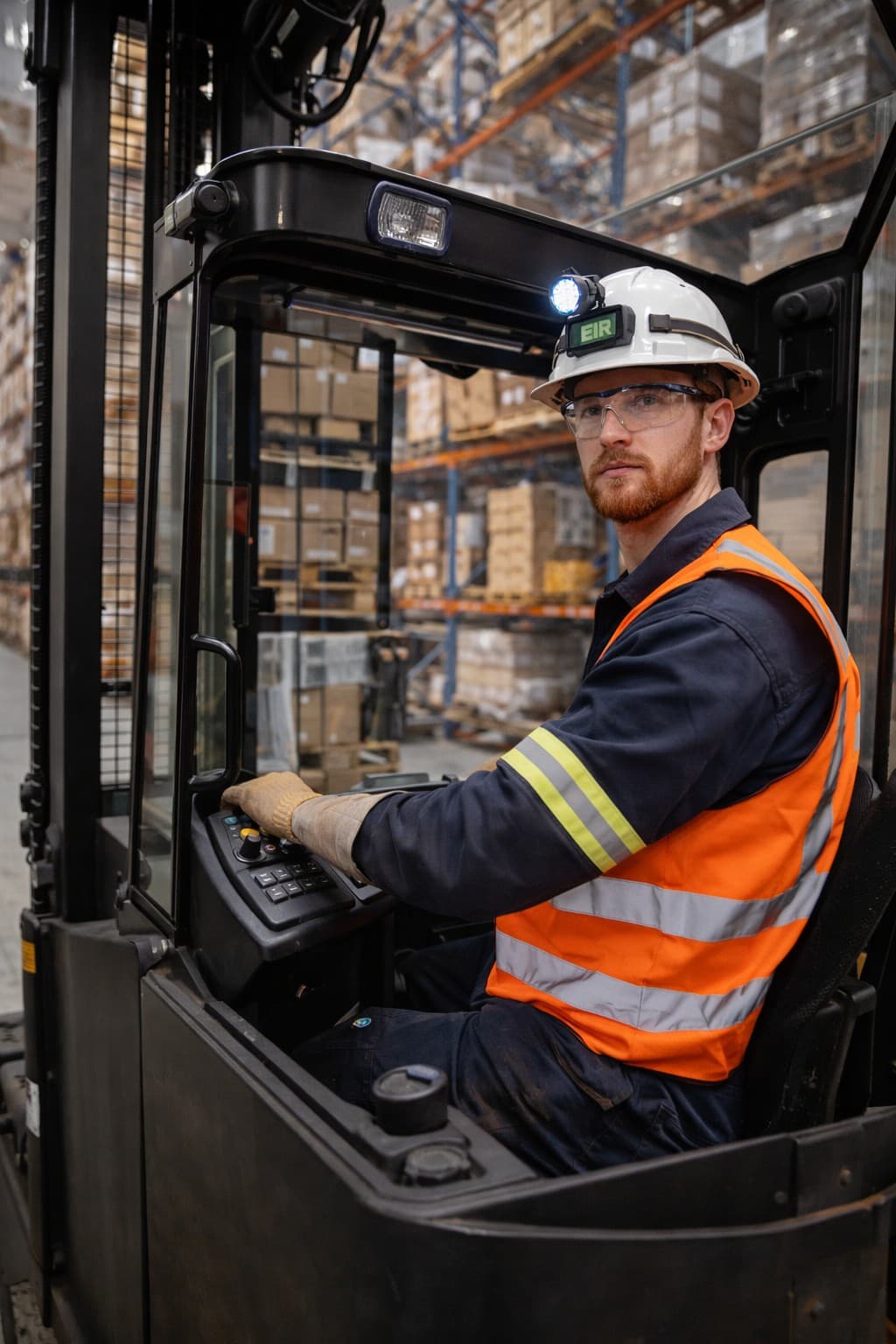
Every warehouse manager in Brisbane knows the peak is coming. The pre-Christmas retail run, the end-of-financial-year push, stocktake, a big customer ramp, the seasonal food and produce cycles — none of it is a surprise. You can see it on the calendar months out.
What catches people out isn't the peak. It's the staffing. The work doubles for eight or ten weeks, then settles back down. Your permanent headcount is built for the quiet months, not the busy ones, and suddenly you're short a third of the hands you need with despatch already behind.
That's the headache flexible warehouse staffing is built to solve. Done properly, it lets your floor breathe with the demand — up for the peak, back down after — without you over-hiring, burning out your core crew, or scrambling for bodies the week it hits.
Why Warehouse Work Refuses to Sit Still
Warehousing and manufacturing demand is spiky by nature. A Brisbane distribution centre might run comfortably on 25 people for half the year and need 40 for the other half. The volume scaling up and down is not a sign anything is wrong — it's just the shape of the work.
The problem is that headcount doesn't scale that neatly. Hire enough permanent staff to cover the peak and you're carrying wages through the quiet months with not enough work to fill the day. Staff for the quiet months and every peak becomes a fire drill. There is no permanent number that is right all year.
This is exactly the situation labour hire is designed for. When your work structurally scales up and down, a flexible layer of workers on top of a stable permanent core isn't a compromise — it's the sensible way to run the place.
The Headaches of Getting Peak Staffing Wrong
When peak season staffing falls over, it rarely falls over in one big dramatic way. It's a string of smaller headaches that add up to a bad couple of months.
The last-minute scramble
You knew the peak was coming, but the approval to bring people on landed late. Now you're trying to find ten warehouse workers with a week's notice, competing with every other operation in Brisbane doing the same thing. The people you can get at short notice are not always the people you'd choose.
Over-hiring permanent staff you can't keep busy
The other direction is just as costly. Bring on permanent staff to cover a peak and you're still paying them when the volume drops. Then comes the uncomfortable part — managing people out of a job they were hired to do, or finding busy-work that doesn't need doing. Nobody enjoys that, and it teaches your remaining team that the next peak hire is temporary anyway.
Burning out your core crew
The most common one. Rather than bring in help, the floor just absorbs the extra load. Your good, reliable permanent people work six-day weeks and long overtime for two months straight. They get through it — they always do — but a few of them quietly start looking for a job that doesn't do this to them every year. Losing a good warehouse hand because the peak broke them is one of the most expensive things that can happen to an operation.
Underskilled workers on the wrong gear
Peak pressure tempts people to take whoever turns up. But a reach truck is not a counterbalance forklift, and an order picker with the wrong ticket — or no real experience — is a safety incident waiting to happen on a busy floor. Speed without proper skill checks is how peak season turns into an LTI report.
What Flexible Staffing Actually Means
“Flexible” gets used loosely, so it's worth being plain about what it should mean for a warehouse running a peak.
It means a provider who can:
- Scale up and back down on your timeline — bring numbers on for the peak weeks and wind them off again after, without you carrying the headcount or having an awkward conversation
- Learn your operation once and run it repeatedly — same site, same brief, same standards. When the same volume and the same job come around next peak, you're not starting from scratch
- Give you one point of contact — one person who knows your warehouse, your shift pattern, and your supervisors, so you're not re-explaining the basics every order
- Hold a pool of workers who already know the work — people who have done a Brisbane warehouse peak before and don't need to be taught how a despatch dock runs
- Cover the whole role mix — not just pickers, but operators, tradies for the plant side, and admin support for the office that scales up with the floor
That last point matters more than people expect. When a warehouse goes into peak, the office goes into peak too. More orders means more data entry, more despatch paperwork, more scheduling, more stores and inventory work. A provider who can put admin support next to the floor staff saves you running two separate arrangements at the busiest time of your year.
The Roles a Brisbane Warehouse Actually Runs On
A warehouse peak isn't just “more pickers”. A flexible provider should be able to cover the full spread you need:
- Order pickers, pack-out and general warehouse hands
- Counterbalance forklift operators and reach truck operators — tickets verified, not assumed
- Machine operators and process workers on the manufacturing side
- Tradies and maintenance hands for the plant and equipment that gets hammered during a peak
- Admin and stores support — despatch, scheduling, inventory and data entry that scales up alongside the floor
If a provider only does general labourers, you end up filling the gaps yourself. EIR covers labourers, operators, tradies, and admin support — the whole mix, from one place.
Plan the Peak, Don't React to It
The single biggest difference between a smooth peak and a rough one is when the conversation happens. There's a moment a lot of ops managers know well — the business wins a big customer or signs a seasonal contract, everyone's celebrating, and one person in the room is already doing the maths: “That's another six people, that's overtime, and nobody's thinking about how we actually staff it.”
You don't have to be that person carrying it alone. A provider worth using wants that call early — not the week the peak lands, but as soon as you can see it coming. Early notice means we can:
- Line up workers who suit your site rather than whoever is free that morning
- Stage the ramp so people start in the right order, properly inducted
- Sort tickets, checks and site inductions before week one, not during it
- Hold a stand-by pool so a sick day in peak week isn't a crisis
Peak season is predictable. Treat the staffing for it as a plan you make in advance, not a problem you react to, and most of the headaches in this article never turn up.
Every Worker Checked Before They Reach Your Gate
Speed is no excuse for skipping the checks — and a good provider doesn't make you choose between the two. Before a worker is sent to your Brisbane warehouse, the groundwork should already be done: the right ticket for the right machine, relevant experience confirmed face-to-face, and an induction into how your site runs before they walk in.
The first time a worker hears about your PPE rules, your traffic management, or your pedestrian zones should not be at your gate on the busiest morning of the quarter. Checking workers properly before they arrive is the difference between adding capacity and adding risk.
What Good Looks Like in a Brisbane Warehouse
When flexible staffing is done well, peak season stops being the part of the year everyone dreads. A reliable provider gives you a few things you can count on:
- An honest read on what they can deliver, and by when — no over-promising
- Workers screened face-to-face for skill and attitude, with tickets verified
- Confirmation of who is turning up, so you can plan the shift with certainty
- A stand-by pool, so one absence in peak week doesn't stop despatch
- One point of contact who knows your warehouse and doesn't need re-briefing
- The full role mix — pickers, operators, tradies and admin support — so you're not juggling separate arrangements
- A clean wind-down after the peak, with no awkward headcount left behind
That's the difference between staffing that adds to the headache and staffing that takes it away.
Who We Are
EIR Labour Hire has been supplying labour across civil, construction, manufacturing and warehousing since 2003. We're family-owned, trusted across QLD, and we put labourers, operators, tradies, and admin support onto Brisbane sites and warehouse floors every day.
We don't pitch the cheapest number. We pitch the system that keeps your floor moving through the peak — workers checked before they arrive, a stand-by pool behind every order, one point of contact who knows your operation, and a clean scale-down after. 22+ years of running it this way, and we still pick up the phone.
That's what we mean by Labour Hire That Works For You.
If a peak is on your calendar and you'd rather plan it than scramble it, have a chat with us early. Call 1800 LABOUR or visit www.eirlabourhire.com.au.
See how we work across Brisbane manufacturing and warehousing and how we keep peak-season floors staffed without the headaches.
More for Brisbane warehouse and manufacturing managers
Brush up on warehouse safety for workers and managers, or work through what QLD labour hire licensing means for manufacturing managers in 2026.