What is a Forklift Licence in Australia?
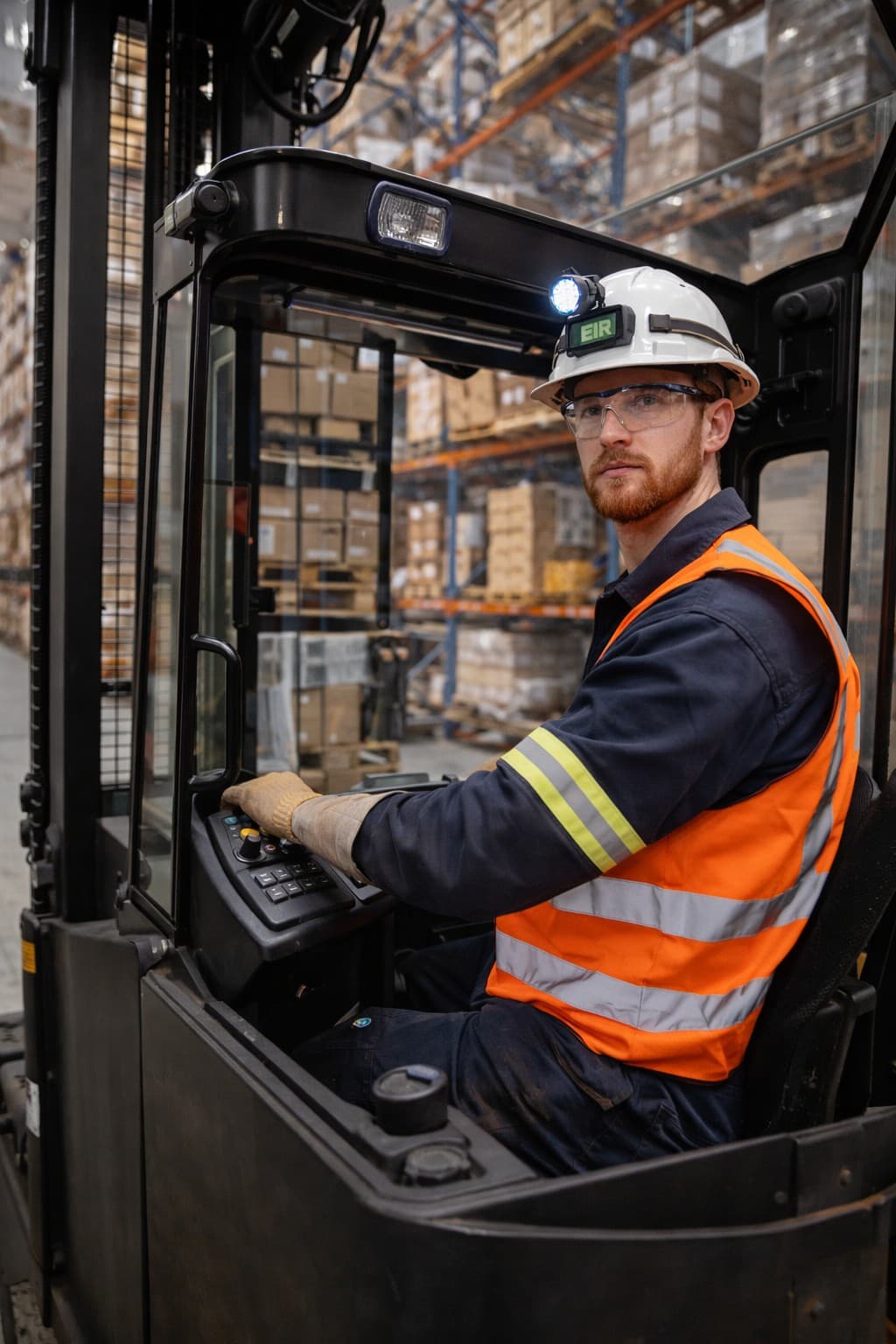
In Australia, forklift operation is regulated as a high-risk work activity. To legally operate a forklift in any workplace, workers must hold a High Risk Work Licence (HRWL) with an LF class endorsement. This licence certifies that the operator has demonstrated the knowledge, skills, and competency required to safely operate forklifts in various working environments.
The High Risk Work Licence scheme is administered by each Australian state and territory's work health and safety regulator. The LF class specifically designates licences for forklift operation, distinguishing them from other high-risk work endorsements such as scaffolding (SC), dogging (DO), or boatswain (BO) certifications. Holding a valid LF licence is a legal requirement in all states and territories—operating a forklift without one constitutes a workplace violation that can result in significant penalties for both the worker and the employer.
Who Needs a Forklift Licence?
Any person who operates a forklift in the workplace must hold a valid High Risk Work Licence with LF class endorsement. This applies regardless of the worker's employment status—permanent employees, temporary workers, labour hire workers, and contractors all require the same certification.
A forklift is defined broadly in Australian workplace health and safety legislation as any self-propelled truck equipped with a device for lifting, lowering, and carrying goods. This includes:
- Counterbalance forklifts (the most common type)
- Reach forklifts
- Articulating forklifts
- Pallet jacks and powered hand pallet trucks
- Telehandlers with forklift attachments
Employers are legally responsible for ensuring that all forklift operators working in their workplaces hold current, valid licences. This responsibility extends to labour hire workers—host employers must verify forklift licencing status before assigning workers to forklift operation duties.
The Forklift Licence Training Process
Obtaining a forklift licence involves a structured training and assessment pathway delivered through registered training organisations (RTOs) across Australia. The process combines both theoretical knowledge and practical skills development.
Training Components
Forklift licence training is divided into two main components:
- Theory Training: Classroom-based instruction covering relevant legislation, hazard identification, risk management, load stability, load calculations, safe operating procedures, and workplace communication. Theory training provides the foundational knowledge operators need to understand the "why" behind safe practices.
- Practical Training: Hands-on training in actual forklift operation, performed under supervision by qualified instructors. Practical training covers pre-operation inspections, basic maneuvers, load handling, positioning techniques, and problem-solving in realistic workplace scenarios.
Most RTOs deliver training as a combination of online, classroom, and on-site practical components. A typical course might involve one or two days of classroom and theory work, followed by one to two days of practical training with vehicles. The exact duration depends on the RTO and the trainee's prior experience and learning pace.
Registered Training Organisations (RTOs)
Training must be delivered by a registered training organisation approved by your state or territory's training regulator. RTOs are quality-assured organisations that meet national training standards and employ qualified trainers. When selecting an RTO, verify that they are currently registered and approved to deliver the specific unit of competency for forklift operation—typically titled "Operate forklifts safely" or similar nomenclature depending on your jurisdiction.
Reputable RTOs will provide clear information about course content, duration, practical training facilities, assessment procedures, and success rates. Many offer flexible scheduling, including evening or weekend classes, to accommodate working professionals seeking to obtain their licence.
The Forklift Licence Assessment Process
After completing training, candidates must pass a formal assessment to demonstrate competency and obtain their licence. This assessment process is rigorous and reflects the safety-critical nature of forklift operation.
Written Assessment
The written component of the assessment evaluates theoretical knowledge through a multiple-choice questionnaire. This typically covers topics such as load capacity and stability, hazard identification, load calculations, legislative requirements, pre-operation checks, and emergency procedures. The written test generally consists of 30-50 questions, with candidates required to achieve a passing score (typically 70-80%, depending on the RTO and jurisdiction) to progress to the practical assessment.
Most RTOs provide study materials and practice questions to help candidates prepare for the written assessment. Some offer mock tests that simulate the actual assessment environment, allowing candidates to build confidence and identify areas requiring additional study.
Practical Assessment
The practical assessment evaluates whether candidates can actually operate forklifts safely and competently. This is conducted on-site with real equipment under the observation of a qualified assessor. The assessor observes the candidate performing a series of tasks, including:
- Pre-operation safety checks and inspections
- Safe vehicle movement and maneuvering
- Load pickup, transport, and placement
- Stacking and unstacking operations
- Proper load positioning and securement
- Response to hazards and obstacles
- Communication and workplace awareness
- Recovery from problem situations
Candidates must demonstrate safe practices throughout the assessment. A single serious safety error or multiple minor errors may result in an unsuccessful assessment. If unsuccessful on the first attempt, candidates may retake the practical assessment after additional training to address identified gaps.
Forklift Licence Costs in Australia
The cost of obtaining a forklift licence varies depending on the training provider, your location, and the specific course structure. However, a typical range is AUD 800 to AUD 1,500 for the complete training and assessment package.
This cost breakdown generally includes:
- Theory training: AUD 150–300
- Practical training: AUD 400–800
- Assessment (written and practical): AUD 250–400
Some employers provide forklift licence training to their workers as part of professional development, fully or partially subsidizing the cost. For workers seeking training independently, the cost is a one-time investment that can lead to expanded job opportunities and higher earning potential in logistics, warehousing, construction, and manufacturing sectors.
When comparing training providers, consider not only the cost but also the reputation of the RTO, the qualifications of instructors, facility quality, class sizes, and customer reviews. A slightly higher cost may be justified by superior training facilities, experienced trainers, or flexible scheduling options that better suit your circumstances.
Licence Validity and Renewal
A High Risk Work Licence (LF class) is valid for five years from the date of issue. After five years, the licence expires and must be renewed if the holder wishes to continue operating forklifts.
Licence renewal involves completing refresher training and reassessment, though the renewal process is typically shorter and less intensive than the initial licence acquisition. Refresher training may be condensed into one day for experienced operators and focuses on updates to legislation, emerging hazards, and best practice changes since the licence was originally issued.
Employers and workers should maintain awareness of licence expiry dates to ensure continuous compliance. Operating with an expired licence constitutes a breach of workplace health and safety obligations and can result in workplace violations, penalties, and suspension of work activities.
Different Forklift Classes and Specializations
While the LF class licence covers general forklift operation, some training providers offer specialized courses for specific forklift types or applications. These might include:
- Heavy Load Forklifts: Training for large-capacity counterbalance forklifts used in heavy industrial environments
- Reach Forklifts: Specialized training for reach models that extend outward, used in narrow aisle warehousing
- Telehandlers: Training for telescopic handlers with various attachments, common on construction sites
- Powered Hand Pallet Trucks: Training for powered pallet jack operation in retail and light warehousing
The standard LF class licence covers operation of most forklift types. Specialized training may provide additional depth and confidence for operators who will primarily work with specific equipment, but it is not always required for licence acquisition.
What Employers Should Verify
Employers and labour hire agencies must implement systematic processes to verify forklift licence status before assigning workers to forklift operation roles. This verification should include:
- Licence documentation: Requesting physical or digital copies of the licence, which should display the worker's name, licence number, class (LF), issue date, and expiry date
- Current status: Confirming the licence has not expired and is still valid
- Regulatory register check: Verifying the licence through your state or territory's work health and safety regulator, if such registers are publicly available
- Training records: Obtaining evidence of refresher or induction training specific to your workplace, as required by your site's safety protocols
Failure to verify forklift licencing exposes employers to significant liability. If an unlicenced or improperly licensed operator causes a workplace injury, the employer may face prosecution, substantial penalties, and civil liability claims. For labour hire agencies, ensuring workers hold valid licences before placement is essential for protecting host employers and maintaining professional reputation.
Common Mistakes That Fail Assessment
Understanding common assessment failures can help candidates prepare more effectively and improve their chances of success on the first attempt.
- Inadequate pre-operation checks: Failing to complete thorough visual and operational checks before beginning work. Assessors consider pre-operation verification critical to safe operation.
- Unsafe load positioning: Placing loads incorrectly on the forks, overloading the forklift, or failing to secure or stabilize loads properly
- Excessive speed: Driving too quickly, particularly when carrying loads or near personnel and obstacles
- Poor visibility awareness: Operating the forklift in ways that obstruct the operator's view of the load or surrounding area
- Improper positioning: Failing to angle the mast correctly for load stability or positioning the forklift unsafely for loading and unloading
- Hazard unawareness: Not identifying or responding appropriately to potential hazards such as uneven ground, obstacles, or pedestrians
- Inadequate communication: Failing to signal intentions, use spotters when required, or communicate with other workers
- Load calculation errors: Attempting to lift or carry loads that exceed the forklift's safe working load limit
Refresher Training and Ongoing Development
While formal refresher training is required for licence renewal every five years, best practice in the workplace involves more frequent, informal safety briefings and training updates. Many safety-conscious employers conduct annual forklift safety refresher sessions for all licensed operators, covering:
- Workplace-specific hazards and procedures
- Updates to legislation or regulatory requirements
- New equipment or technology in the workplace
- Review of near-miss incidents and lessons learned
- Seasonal hazards or seasonal equipment changes
This approach maintains operator skills, ensures consistent application of safe practices across the workforce, and demonstrates employer commitment to workplace safety. Many RTOs offer abbreviated refresher courses (often 2-4 hours) designed for experienced operators who simply need to refresh their knowledge without repeating the full initial training.
Where Forklift Operators Work
Forklift operators are essential across multiple industries in Australia. Key employment sectors include:
- Warehousing and Distribution: The largest employer of forklift operators, with roles in inventory management, goods-in/goods-out operations, and order fulfillment
- Construction and Building: Operators moving building materials, steel, precast concrete, and equipment on construction sites
- Manufacturing: Internal material handling, product assembly support, and finished goods management
- Retail and Grocery: Stock management in large retail facilities and distribution centers
- Recycling and Waste Management: Sorting and moving recyclable materials and waste products
- Agriculture and Food Processing: Handling produce, palletized goods, and equipment in processing facilities
- Ports and Logistics: Container handling and cargo movement in port environments
- Specialty Industries: Automotive, pharmaceuticals, and other manufacturing sectors
Career Prospects for Forklift Operators
Obtaining a forklift licence opens significant career opportunities. Forklift operators are in high demand across Australia, and the profession offers strong employment security and competitive wages. Many employers actively seek experienced, licensed operators, and there are often more job opportunities than available qualified candidates.
Forklift operators can progress their careers by developing additional high-risk work qualifications (such as dogging, scaffolding, or mobile elevated work platform operation), taking on supervisory roles in warehouse or logistics operations, or transitioning into logistics management positions. The licence represents portable, recognized credentials that employers value across the country.
Tips for Passing Your Forklift Assessment First Time
To maximize your chances of passing both the written and practical components of your assessment on the first attempt, consider these strategies:
- Prepare thoroughly for theory: Study the provided materials, complete practice questions, and identify areas of weakness well before the assessment date
- Get adequate rest before assessment: Ensure you are well-rested and alert for both written and practical components
- Practice pre-operation checks: Become extremely familiar with systematic pre-operation inspection procedures, as these are critical in practical assessment
- Master load positioning: Practice identifying correct load positions on the forks and understanding how load position affects stability
- Prioritize safety over speed: During practical assessment, focus on demonstrating safe practices rather than working quickly. Assessors expect operators to move deliberately and cautiously
- Request feedback during training: Ask your instructor to identify specific areas where your technique needs refinement, and practice these extensively
- Observe experienced operators: Watch how experienced operators approach tasks—they often employ subtle techniques that enhance safety and efficiency
- Communicate throughout assessment: Signal your intentions, use spotters when appropriate, and verbally confirm your observations—this demonstrates awareness
Conclusion
Obtaining a forklift licence is a straightforward but important process that opens significant employment opportunities while demonstrating your commitment to workplace safety. Whether you are seeking to launch a career in logistics and warehousing or expand your existing skill set, the High Risk Work Licence (LF class) is recognized across Australian industries and employers actively seek licensed operators.
The investment in training—typically AUD 800 to AUD 1,500—is relatively modest compared to the earning potential and job security that a forklift licence provides. By selecting a reputable RTO, engaging thoroughly with training materials, and preparing systematically for assessment, you can obtain your licence efficiently and confidently begin your journey as a professional forklift operator.
Working out what labour hire will cost you?
Use our labour hire cost calculator to model a crew with real 2026 charge rates, or see the 2026 labour hire rates guide for the full classification-level rate schedule across construction, civil, manufacturing and warehousing.